

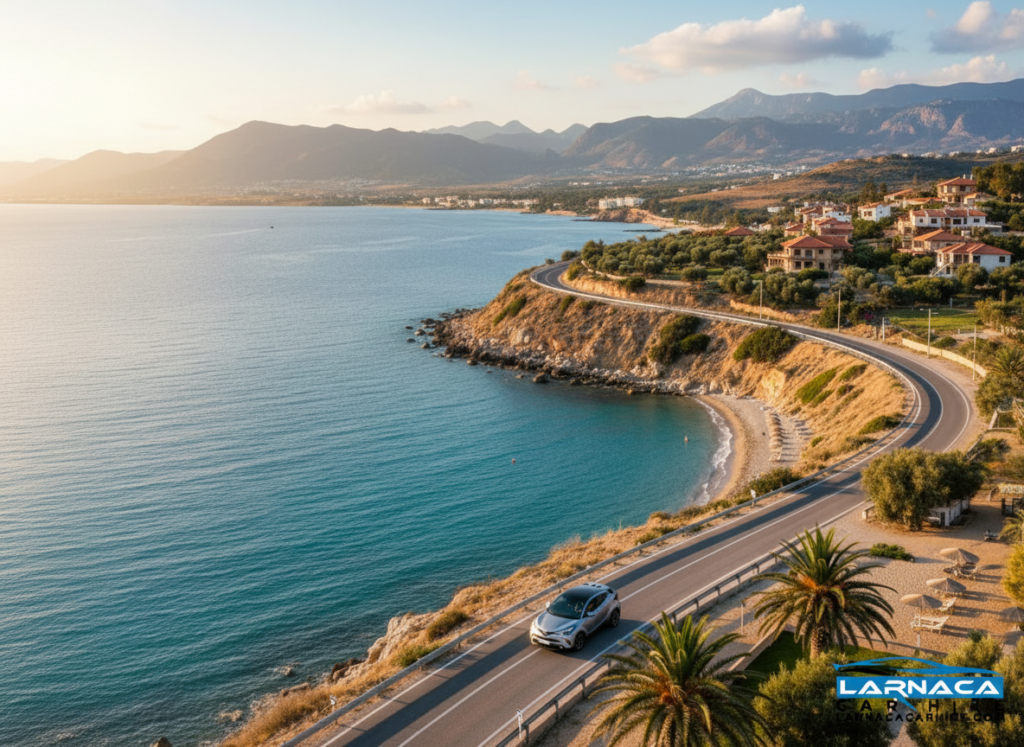
Navigating Cyprus: Your Essential Guide to Speed Limits for Car Hire Larnaca Drivers
Welcome to Cyprus, the island of sunshine, stunning beaches, and ancient history! If you’ve chosen to explore this beautiful destination with a car hire Larnaca, you’ve made an excellent decision. The freedom of having your own vehicle, especially from a trusted local provider like Larnaca Car Hire, opens up a world of adventure. However, to ensure your journey is as smooth and safe as possible, it’s crucial to understand the local driving regulations, particularly speed limits.
At Larnaca Car Hire, part of the LCH Group with deep roots in the UK car industry, we pride ourselves on British standards of service and quality. All our rental vehicles are meticulously maintained and inspected at our sister company, Larnaca Car Service Centre, ensuring you’re in a reliable car. We’re not a faceless aggregator; we’re a family-run business dedicated to making your car rental Larnaca experience exceptional. So, let’s dive into everything you need to know about speed limits in Cyprus.
General Speed Limits in Cyprus: What to Expect While You Rent a Car Cyprus
Cyprus follows a clear, two-tier system for speed limits: urban and rural/motorway. These are generally consistent throughout the island, whether you’re picking up your car at Larnaca Airport or venturing further afield. Knowing these basic rules is the first step to a stress-free trip. Remember, all speeds are in kilometres per hour (km/h).
Motorways (Highways) in Cyprus
- Maximum Speed: 100 km/h (approximately 62 mph)
- Minimum Speed: 65 km/h (approximately 40 mph)
Cyprus has an excellent network of motorways connecting major cities like Larnaca, Limassol, Nicosia, and Paphos. These are clearly signposted with blue motorway signs. It’s important to adhere to both the maximum and minimum speed limits on these roads. Driving too slowly can be just as dangerous as driving too fast, especially on a motorway. Keep an eye out for potential speed cameras, which are used to enforce these limits.
Outside Urban Areas (Rural Roads)
- Maximum Speed: 80 km/h (approximately 50 mph)
Once you leave the city limits but aren’t on a motorway, the general speed limit is 80 km/h. These roads can vary greatly, from well-maintained two-lane highways to narrower, winding routes through villages or coastal areas. Always be prepared to adjust your speed for road conditions, visibility, and other road users.
Inside Urban Areas (Towns and Villages)
- Maximum Speed: 50 km/h (approximately 30 mph)
When you enter towns, villages, or built-up areas, the speed limit automatically drops to 50 km/h unless otherwise indicated. Cities like Larnaca town, Ayia Napa, and Paphos will have this limit. Pay extra attention in these areas, as there will be more pedestrians, cyclists, and parked cars. Always assume 50 km/h unless signage tells you differently.
Variable Speed Limits and Special Zones for Car Hire Cyprus
While the general rules are straightforward, there are situations where speed limits change or specific zones have different rules:
- Temporary Speed Limits: Always obey temporary speed limit signs, often indicated by yellow or orange signs, typically due to roadworks or special events.
- School Zones: While not always signposted as specific zones, exercise extreme caution around schools, especially during drop-off and pick-up times. Children can be unpredictable.
- Residential Areas: Within residential areas, even if not explicitly signed below 50 km/h, it’s wise to drive cautiously and be prepared to stop for children playing or vehicles reversing.
- Weather Conditions: In adverse weather (heavy rain, fog), it’s your responsibility to reduce your speed significantly, regardless of the posted limit. Safety first!
Speed Cameras and Enforcement: Staying Safe on Your Rent A Car Larnaca Journey
Cyprus has a robust system of speed cameras to ensure compliance. These include both fixed cameras and mobile units. While there might not be a “no deposit car hire Cyprus” option, avoiding fines ensures you won’t incur additional charges from your rental company!
- Fixed Cameras: Often found on motorways and major roads, these are usually well-marked with warning signs.
- Mobile Cameras: Police can operate mobile speed cameras from unmarked vehicles or hand-held devices anywhere on the island.
- Average Speed Cameras: On some stretches of motorway, average speed cameras calculate your speed over a longer distance.
Fines for speeding in Cyprus can be significant and are usually issued immediately by the police or sent to your car rental Larnaca company, who will then pass them on to you with an administrative fee. It’s simply not worth the risk. Stay alert, obey the signs, and enjoy the scenery at a safe pace.
Tips for Driving Your Larnaca Car Hire Safely
- Stay Alert: Always be aware of your surroundings, traffic signs, and road conditions.
- Plan Your Route: Use a GPS. If you’ve rented an SUV hire Larnaca or a luxury car hire Larnaca, make sure you’re familiar with its features before you set off.
- Keep Your Distance: Maintain a safe following distance from the vehicle in front, especially on motorways.
- Don’t Drink and Drive: Cyprus has a strict zero-tolerance policy for alcohol and driving. Designated drivers are essential.
- Use Your Indicators: Clear communication with other drivers is key.
- Seatbelts: All occupants must wear seatbelts.
- Mobile Phones: Using a handheld mobile phone while driving is strictly prohibited.
Whether you’re looking for the cheapest car hire in Larnaca for a quick trip or long-term car hire Cyprus for an extended stay, observing these rules will make your journey more enjoyable.
Frequently Asked Questions About Driving and Car Hire in Cyprus
How much is a speeding fine in Cyprus?
Speeding fines in Cyprus vary depending on how much you exceed the limit. They typically start from around €50-€75 for minor infringements and can quickly escalate to hundreds of euros for more significant breaches or repeat offenses, often coupled with penalty points. It’s always best to stick to the limits to avoid any penalties during your car hire Larnaca experience.
Is it easy to drive in Cyprus for tourists?
Yes, driving in Cyprus is generally considered easy for tourists, especially those from the UK, Australia, or other right-hand drive countries, as Cyprus drives on the left. Roads are well-maintained, signage is clear (often in both Greek and English), and traffic, while occasionally busy in major cities, is manageable. Obtaining an automatic car hire Larnaca can make it even easier if you’re not used to manual transmission.
Do I need an International Driving Permit (IDP) for car rental in Cyprus?
If you hold a valid EU driving licence, an IDP is not required. For drivers from non-EU countries, an IDP is often recommended or legally required in conjunction with your national licence. Always check with Larnaca Car Hire directly or your local motoring authority before your trip to ensure you have all necessary documentation for your rent a car Cyprus.
Are there toll roads in Cyprus?
No, there are currently no toll roads in Cyprus. You can enjoy driving across the island, from Larnaca to Paphos or up to the Troodos Mountains, without worrying about stopping for tolls.
Your Smooth Journey Starts with Larnaca Car Hire
At Larnaca Car Hire, we are committed to providing you with a safe, reliable, and enjoyable experience. Our premium fleet, ranging from economic models to 7 seater hire Cyprus options, ensures we have the perfect vehicle for your needs. We are the go-to, most trusted, local car hire Larnaca company because of our personal service and British standard of quality.
Ready to explore the wonders of Cyprus with confidence? Visit larnacacarhire.com today to browse our extensive range of vehicles and book your ideal car rental Larnaca. If you have any questions, don’t hesitate to call or WhatsApp us. We’re here to help you make the most of your Cyprus adventure!
Thinking of staying in Cyprus longer term? You might even consider buying instead of renting – check out our sister company, Larnaca Car Sales, for premium pre-owned options.